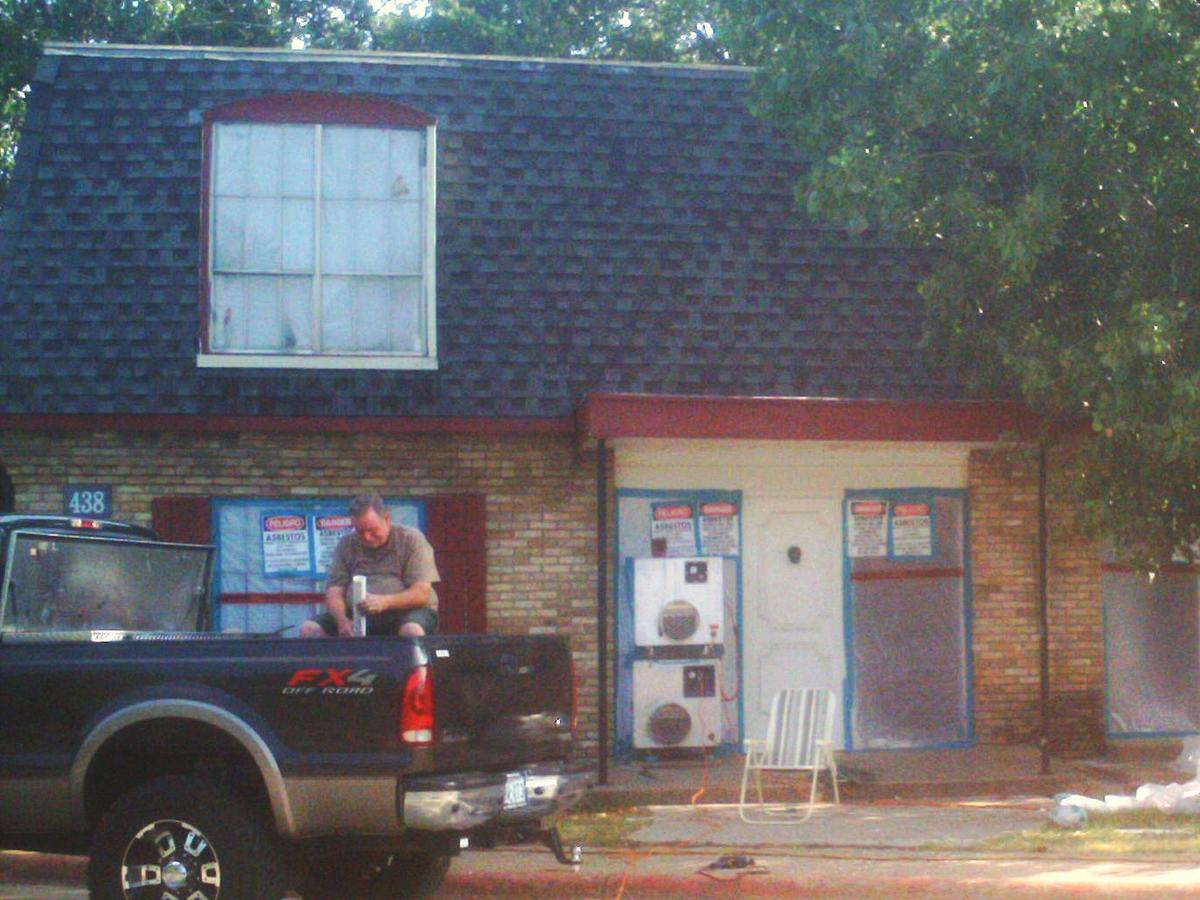
Asbestos abatement in Port Arthur
Surveys, transite siding and abatement before a building comes down, with the state notice explained. Send the address and local operators quote you directly.
Survey first, then abatement
Asbestos turns up in older buildings in siding, floor tile and its adhesive, ceiling texture, roofing, insulation and pipe wrap. A survey finds out which materials contain it. Abatement is the removal, done before the machines touch the structure so nothing is crushed and spread across the lot.
- SurveyAn inspector samples suspect materials throughout the building and sends them for testing. The report lists what was found and where.
- NoticeThe DSHS notice is filed at least 10 working days before demolition starts, whether or not the survey found anything.
- Abatement planThe abatement contractor sets out how each material is removed, bagged and disposed of.
- RemovalMaterials found are taken out before the structural work begins, and transite siding is handled as asbestos.
- DisposalAsbestos waste goes to a facility that accepts it. Ask where, and get the paperwork for your records.
- DemolitionThe teardown goes ahead once the abatement is complete.
Count the ten days
DSHS must be notified at least 10 working days before demolition of any building, even if the survey finds no asbestos.
Ten working days is two full work weeks: to start on a Monday, the notice has to be in by the Monday two weeks before.
Counts Monday to Friday. Confirm the date with DSHS or your contractor before you book the crew.
Transite siding on older houses
Transite is asbestos-cement: flat, hard cladding that was common on houses before the material fell out of use. It does not look like a hazard, and it is not one while intact, but cutting, breaking or crushing it releases fibers. That is why a demolition crew cannot simply knock it down with the rest of the house.
Port Arthur's own demolition packages treat it as a separate item. City bid listings for 19 and 43 residential structures flag transite on some of the properties (19 houses, 43 houses).
Where it goes
Port Arthur bid listings indicate the city landfill may not accept transite. Ask every contractor where yours will be taken, and do not let it be mixed into a general roll-off.
Who does what
Three roles, which one contractor may cover or may not. Ask who handles each before you compare quotes.
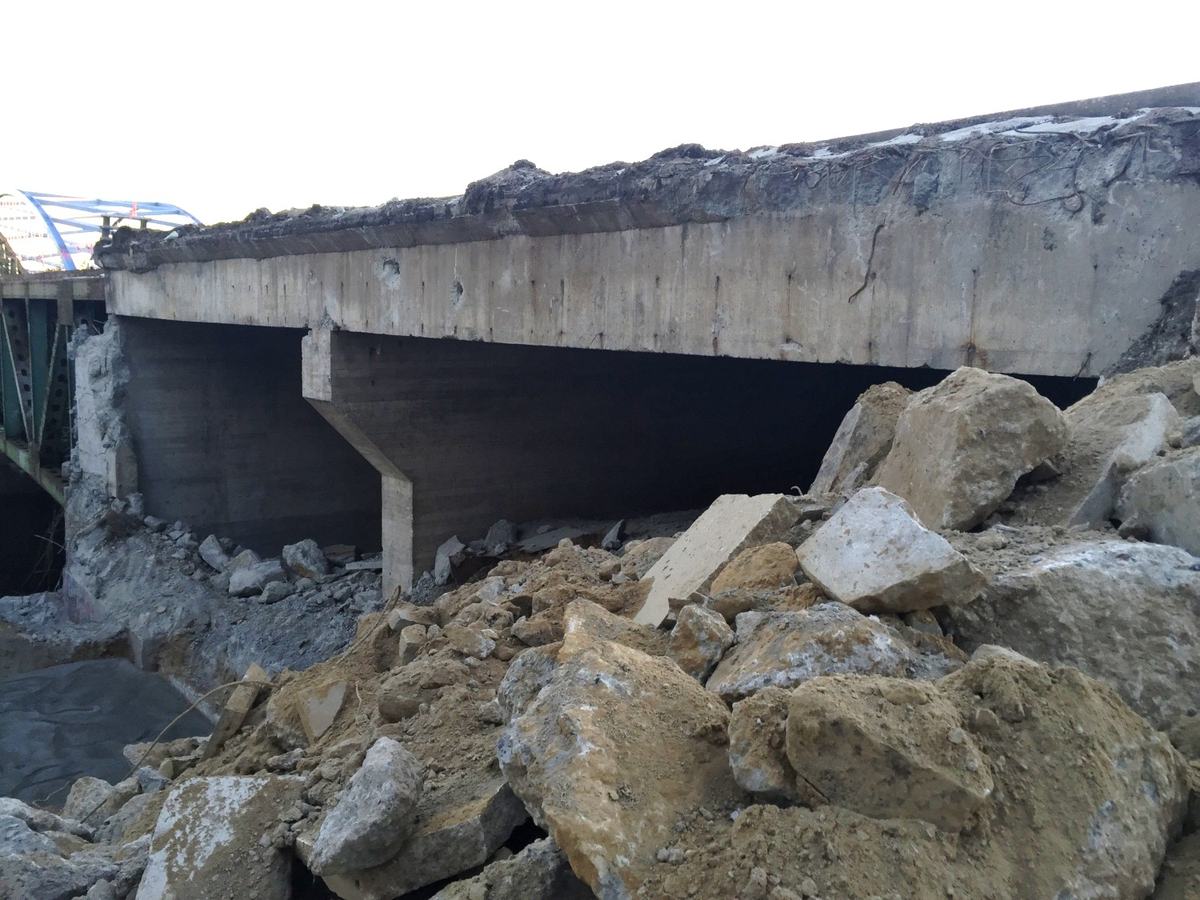
Inspector
Takes the samples and writes the survey. For public buildings, Texas requires a DSHS-licensed inspector.
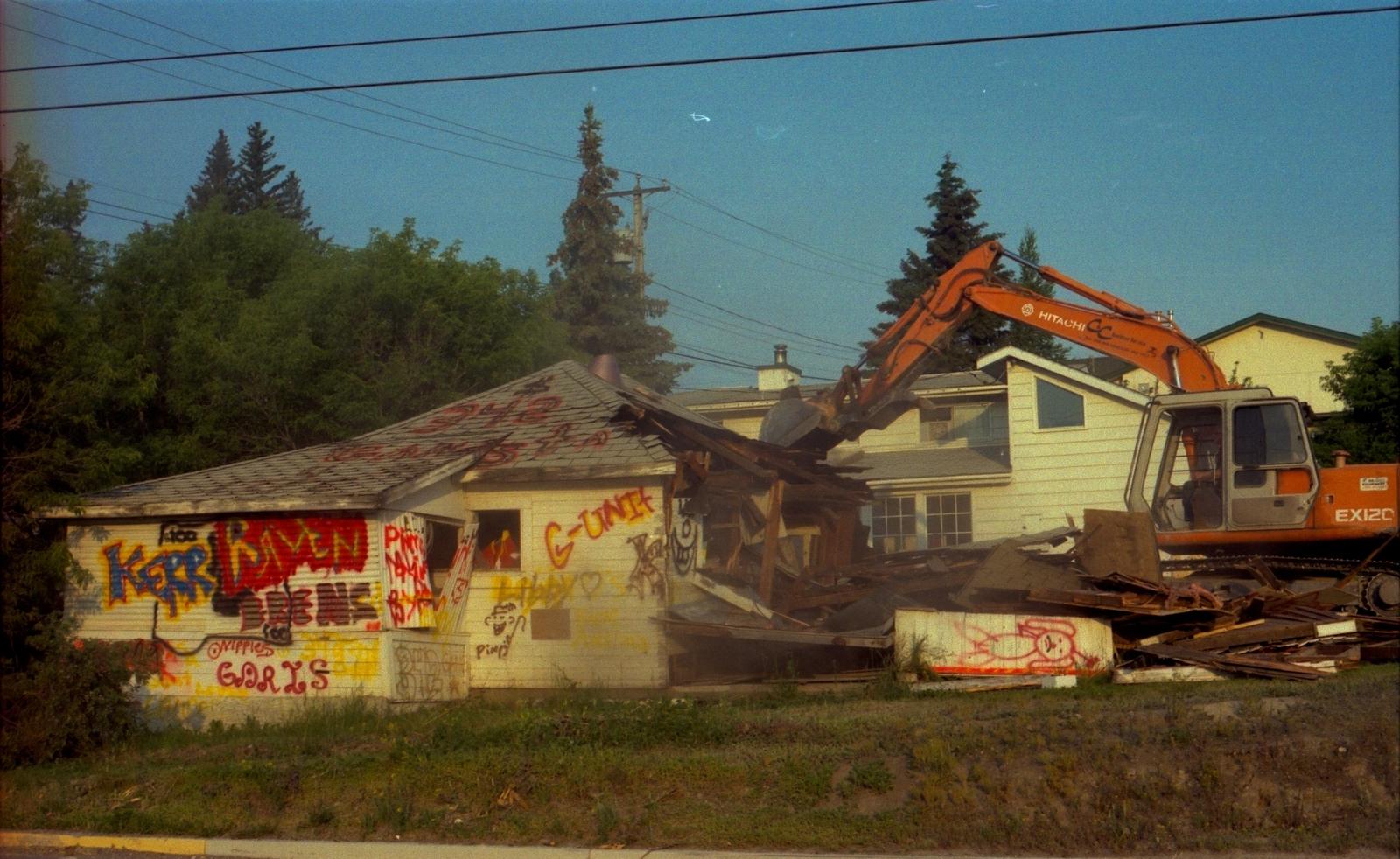
Abatement crew
Removes and bags the material. Ask which DSHS license the crew holds and for the disposal receipts afterwards.
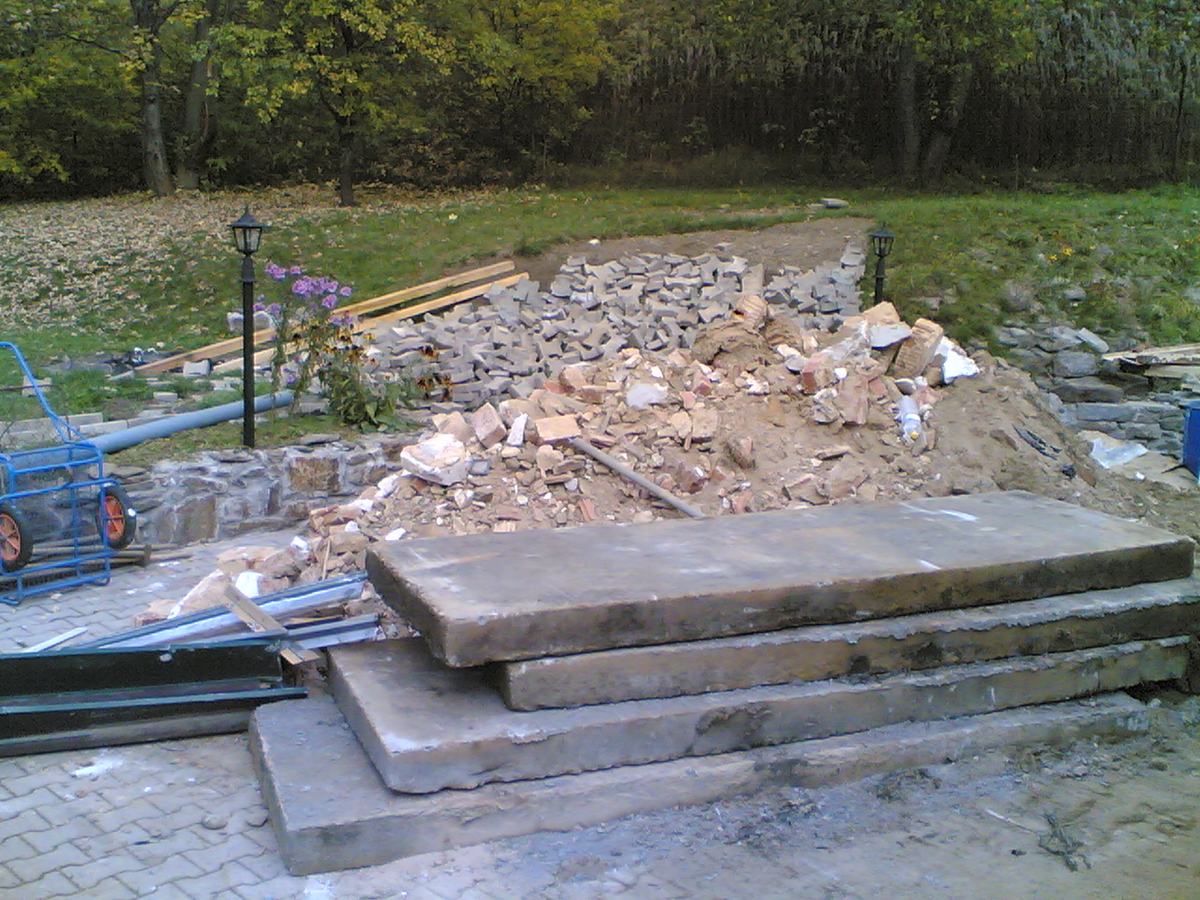
Have these ready before quotes
- The year it was builtOr your best guess. It decides how likely asbestos is.
- The sidingWood, brick, vinyl or transite. Say so if you suspect transite.
- Any earlier surveyAn old report, an inspection or a renovation record that mentions asbestos.
- PhotosSiding, ceilings, flooring and any wrapped pipes.
- The addressSo contractors can check access and which city's rules apply.
- Your timelineThe 10 working days for the notice come before everything else.
State asbestos rules
The notification
The notice goes to Texas DSHS through its online notification system or on the mailed Asbestos Abatement/Demolition Notification Form. Fees are invoiced after filing; DSHS does not state amounts on that page. Only emergency and government-ordered demolitions are exempt from the 10-working-day wait. DSHS asbestos notifications
The survey
Surveys run under the federal NESHAP rule, and Texas requires that public buildings be surveyed by a DSHS-licensed asbestos inspector (25 TAC Chapter 296). Whether a survey is required for a single-family house is something to confirm with DSHS. Ask contractors what they need before they price the job.
City permits
The city you are in sets its own permit rules, separate from the state notice. In Port Arthur, ask the Building Inspections division what it needs for your address.
Asbestos questions
Who can do an asbestos survey?
Texas requires a DSHS-licensed asbestos inspector for the survey of public buildings. For a house, ask each contractor who they use and confirm the requirement with DSHS.
Does a house with no asbestos still need the DSHS notice?
Yes. DSHS must be notified at least 10 working days before demolition of any building, even when no asbestos is present.
Where does transite siding go after it comes off?
Not in the general debris. Port Arthur bid listings indicate the city landfill may not accept transite, so ask each contractor where theirs will be disposed of and get it in writing.
How much time does abatement add?
It depends on how much material the survey finds and where it is. We have no reliable figure, so ask the contractor for a schedule that separates the survey, the abatement and the demolition.
Is my siding transite?
You cannot tell by looking. Transite is flat, hard, cement-like cladding often found on older houses, but only testing confirms it. Mention the siding and the year built in your request.
Ready to test and clear?
Asbestos survey and abatement is already picked. Tell us the building, its age and any siding you suspect.
We pass your request to independent local operators who quote you directly. It's free, and you're under no obligation to hire anyone.
Your details go only to the contractors we pass this job to. See our privacy page.