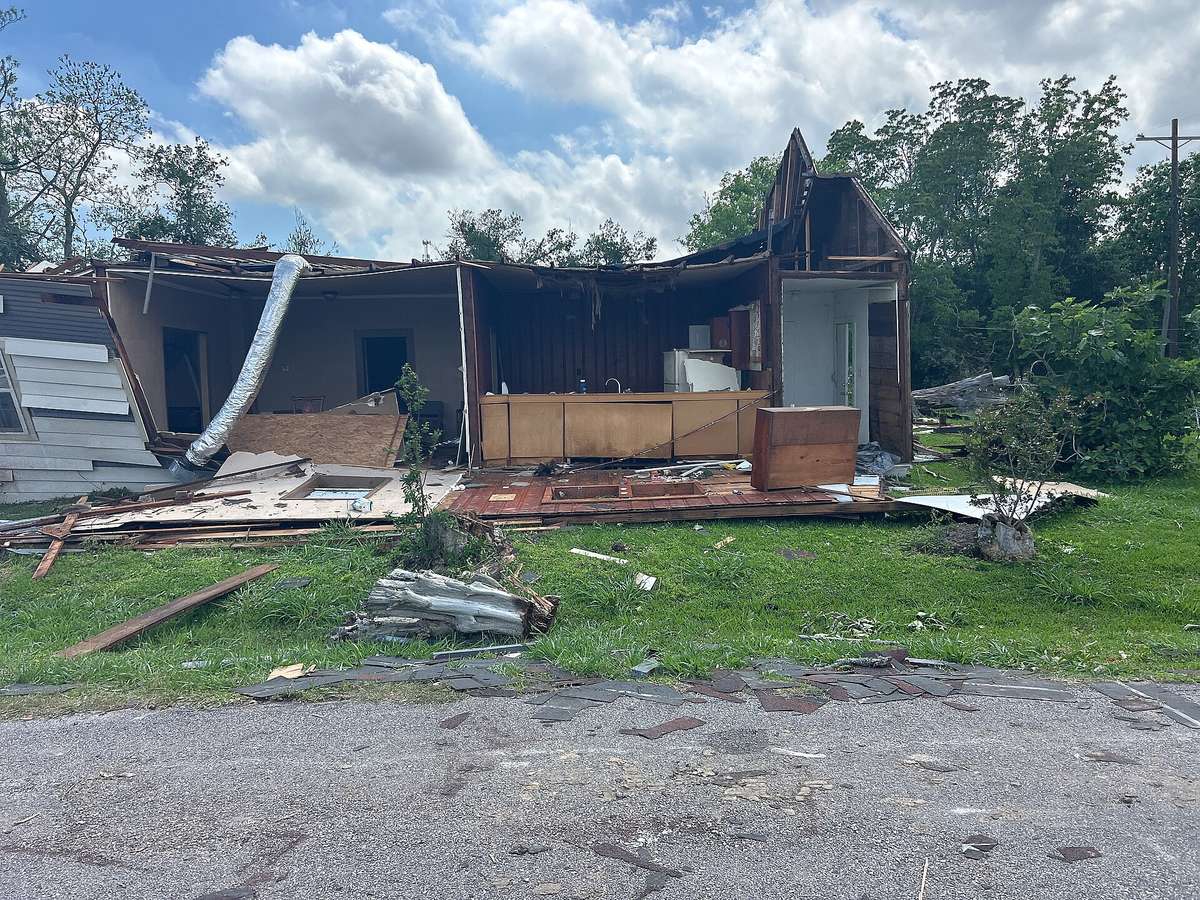
Storm demolition in Port Arthur
Houses and buildings that wind, water or fire left unsafe, including teardowns ordered by the city. Send the address and local demolition contractors quote you directly.
How a damaged teardown differs
Taking down a damaged building follows the same path as any teardown, with three complications: the structure may be unsafe to enter, an insurer or the city may have a say in the timing, and the debris is usually mixed with contents, roofing and waterlogged material.
- Photograph everythingEvery side, the roof, the inside if it is safe, and any city notice. Do this before anything is moved.
- Talk to your insurerAsk what the adjuster needs to see and in what order. Get the scope of loss in writing.
- Make it safeUtilities off and capped, hazards marked, the lot fenced if people could wander in.
- Notice and permitThe DSHS notice and the city's permit, or the order that replaces the wait. Ask the contractor which applies.
- Machine work from outsideWhere walls or a roof have shifted, the excavator works from outside the footprint and no crew goes under unstable framing.
- Sort, haul, gradeMetal, bulk debris and anything that needs special disposal are separated as they load, then the lot is left level if the quote includes it.
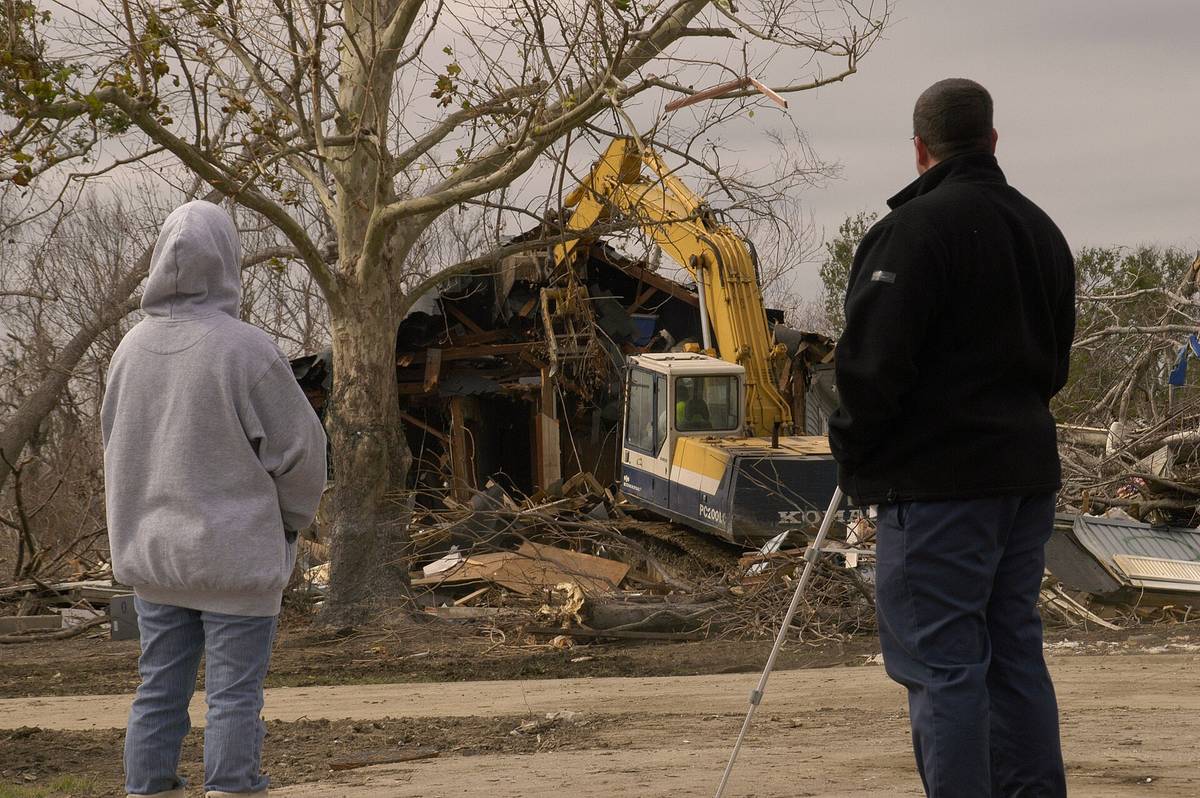
Unsafe structures, careful machines
The less stable the building, the more the method matters. Describe what is still standing and what is leaning.
Reach from outside
An excavator tears a leaning or burned structure down from the edge of the lot, so nobody stands inside the footprint.
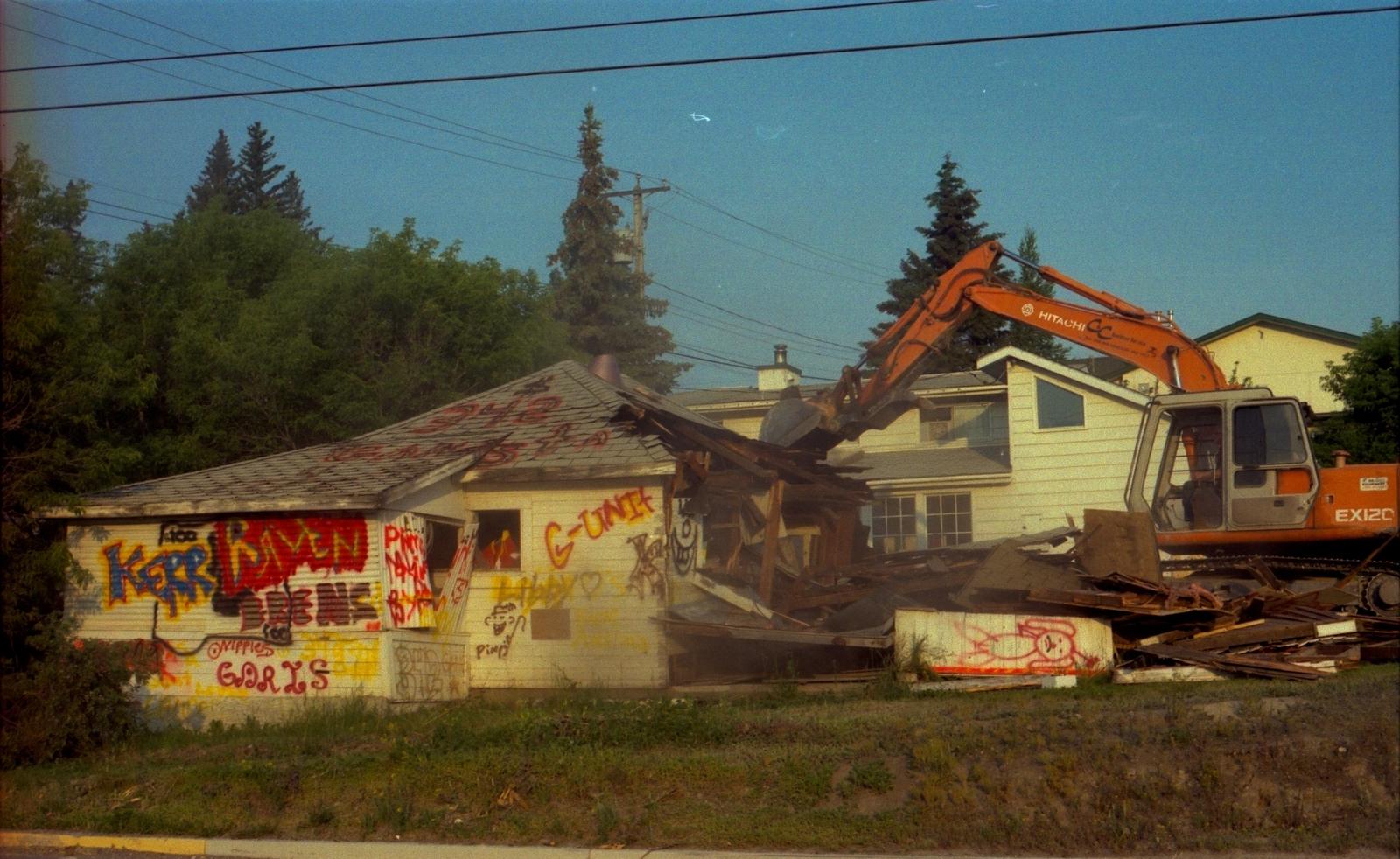
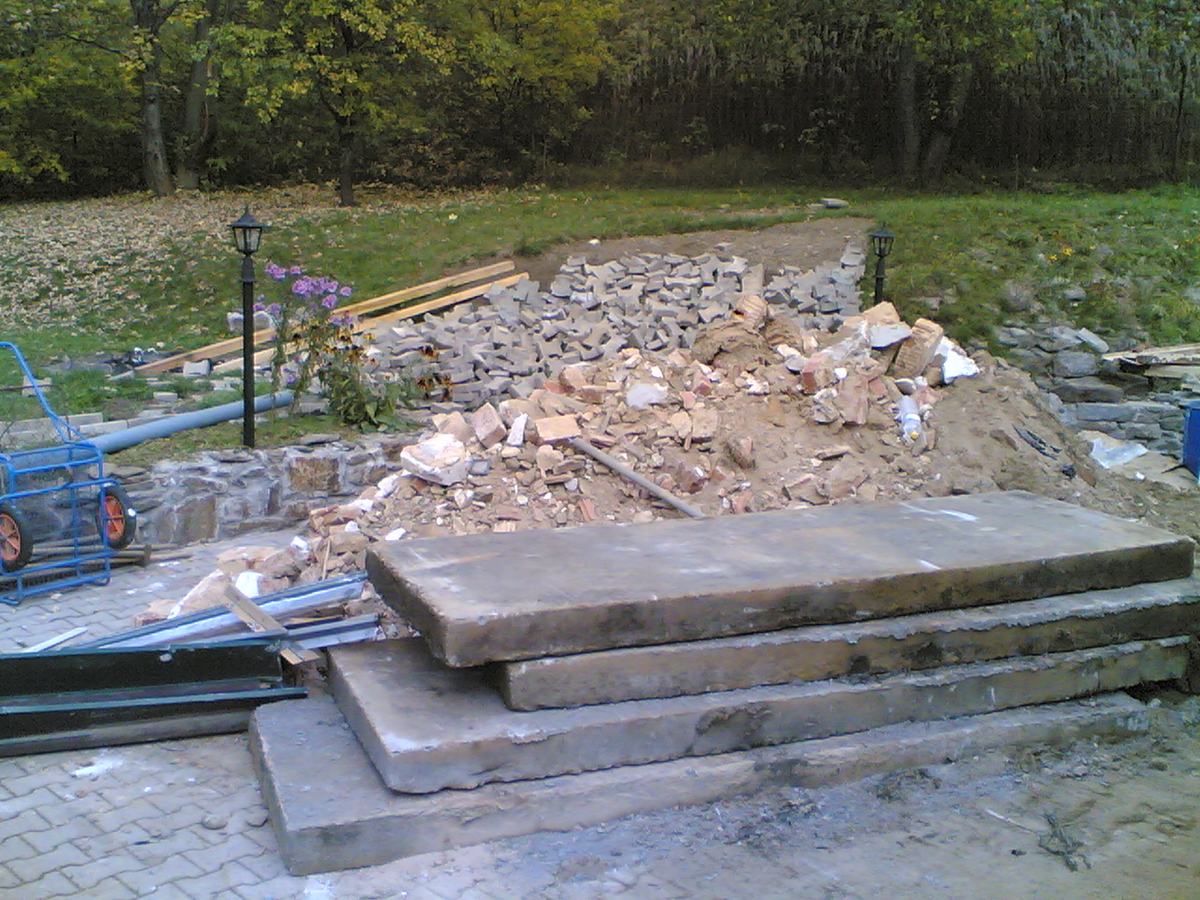
Debris by the load
Storm and fire debris is bulky and often wet. Ask how many loads the contractor expects and where they go.
The city's dangerous-structure work
Port Arthur does not leave these buildings to their owners alone. In 2020 the city awarded two contracts to demolish 13 dangerous residential properties: seven houses for $30,800 within 14 days, and six for $22,800 within 12 days (Port Arthur News).
Recent city bid packages for demolishing residential structures in the 77640 area also include burned and storm-damaged properties, some of them with transite siding (example listing). If you have received a city order, read it for the deadline and contact the city about the order itself.
Other situations
A storm that damaged several houses on a street, a fire at a rental, a flooded house that cost more to repair than it was worth: each reaches the same question of who may authorize the work and when. Answer that first, then ask contractors for dates.
Have these ready before quotes
- Photos of the damageAll sides, the roof, and the inside only if it is safe to enter.
- The adjuster's scopeOr the claim status, if the insurer has not finished.
- Any city notice or orderWith its deadline and the case or order number.
- What is still standingWhich walls, the roof and any chimney are intact or leaning.
- The year built and sidingOlder houses raise the asbestos question; mention transite if you know of it.
- UtilitiesWhether gas, power, water and sewer are off, and who shut them off.
- AccessFallen trees, power lines, fences or a neighbor close by.
- Who can signThe owner, or for an inherited house, whoever has the right to authorize the work.
Notice, exemptions and insurance
The DSHS notice and the emergency exemption
Texas DSHS must be notified before any building is demolished, even when no asbestos is present, at least 10 working days before the start. Only emergency and government-ordered demolitions are exempt from the 10-day wait. Ask the contractor how the notice is handled for your job and keep a copy of whatever is filed. DSHS asbestos notifications
City permit
In Port Arthur, permits run through the Building Inspections division and the city's online permit portal. We could not confirm a published demolition permit type or fee, so ask the city what it needs for your address.
Insurance
This is general guidance, not a promise about any claim. Ask your insurer before demolition starts, photograph everything first and keep the adjuster's scope. Contractors will often ask to see it.
Count the ten days
If your job is not an emergency or a city-ordered demolition, the notice to DSHS has to be in at least 10 working days before the machine arrives.
Ten working days is two full work weeks: to start on a Monday, the notice has to be in by the Monday two weeks before.
Counts Monday to Friday. Confirm the date with DSHS or your contractor before you book the crew.
What storm and fire teardowns cost
The city's 2020 contracts work out to about $3,800 to $4,400 a house on bulk awards. A single private job costs more. Online bid trackers give a rough range of $10,000 to $50,000 per residential demolition; we have not checked it against local quotes.
Damage adds its own variables: how unstable the structure is, how much debris is wet or burned, whether asbestos turns up, and how fast the work must start. Compare the figures side by side.
Storm and fire questions
The city ordered my house down. How long do I have?
The order itself sets the deadline, so read it, keep a copy and put the date in your request. Contractors can then tell you whether they can meet it. Questions about the order go to the city, not to a contractor.
Can the house come down before my insurance claim closes?
Ask your insurer before anything is demolished or moved. Adjusters usually want to see the damage first, and a policy can have its own conditions. Photograph everything and get the adjuster's scope in writing.
Does the DSHS notice still apply to a burned house?
DSHS wants notice before any building is demolished, even without asbestos, and a burned building is still a building. Emergency and government-ordered demolitions are exempt from the 10-working-day wait. Ask the contractor which category your job falls under.
Is the debris haul included after a storm?
Not always. Some quotes stop at the teardown and leave the haul-off, slab and grading as separate lines. Ask each contractor to list what is included, and mention any transite siding up front.
Part of the house has collapsed. Can I go in to get my things?
Do not enter a structure that has partly collapsed or burned. Tell the contractors which walls and roof sections are still standing, and ask whether the crew can bring out anything important before the machine starts.
Ready to clear the damage?
Storm and fire-damaged structures is already picked. Tell us what happened, what is standing and your deadline.
We pass your request to independent local operators who quote you directly. It's free, and you're under no obligation to hire anyone.
Your details go only to the contractors we pass this job to. See our privacy page.