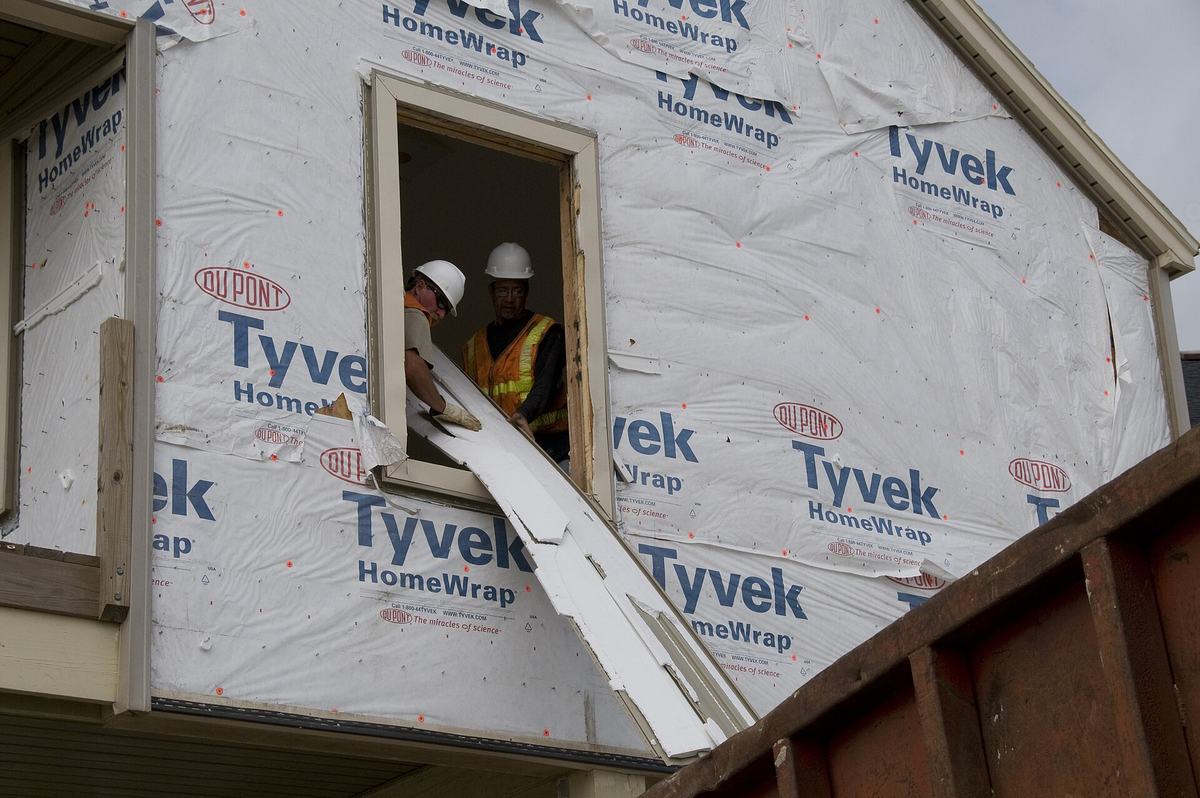
Interior demolition in Port Arthur
Flood gut-outs, kitchens, baths, drywall and flooring taken out for a remodel, with the structure left alone. Send the address and local contractors quote you directly.
What interior demolition removes
Interior demolition takes out finishes and non-structural parts of a building and leaves its frame, roof and foundation alone. It is usually the first step of a remodel or a flood recovery, and the line between what comes out and what stays decides the price.
- Walk-throughThe contractor sees what comes out, what stays and what has to be protected.
- ProtectFloors, doors and anything staying are covered. Dust barriers and masks go up where people or finished rooms are nearby.
- StripDrywall, insulation, flooring, cabinets, fixtures, trim and non-structural walls come out, usually working top to bottom.
- ServicesPlumbing, wiring and ducts are disconnected or removed by the right trades, not by the demo crew.
- HaulDebris is carried out and loaded into a container or truck.
- CleanThe space is swept down to framing and subfloor, ready for the builder.
Who needs a gut-out
Remodelers
Kitchens, baths and whole-floor remodels start with clean framing. A demo crew saves your builder's time.
Landlords
Turning over a unit after damage or a long tenancy, or taking out a failed floor, ceiling or finish.
Flood recovery
After flooding, wet drywall, insulation and flooring come out so the house can dry. Contractors will ask how high the water went.
Fire and storm interiors
When the structure stands but the finishes do not. Get the insurer's scope before anything is moved.
Commercial tenants
Stripping a retail or office suite to bare walls for a new tenant. See commercial demolition for whole buildings.
Buyers
Opening up a house before closing or just after, to see what is behind the walls.
What stays, what goes
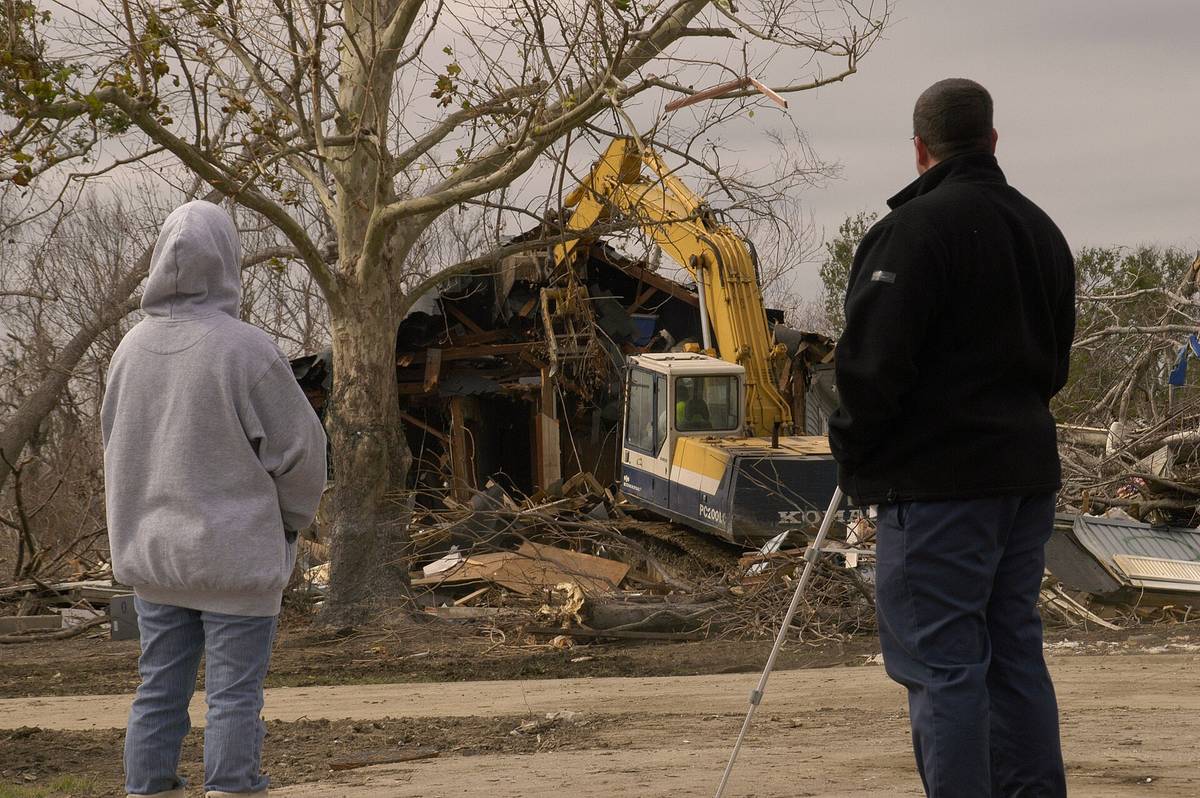
Every interior job has a line between the two. Define it before the first wall comes down.
Hand tools first
Pry bars, saws and hammers keep dust and damage down where the finish stays. Small machines handle the heavy parts.
Structure is not ours
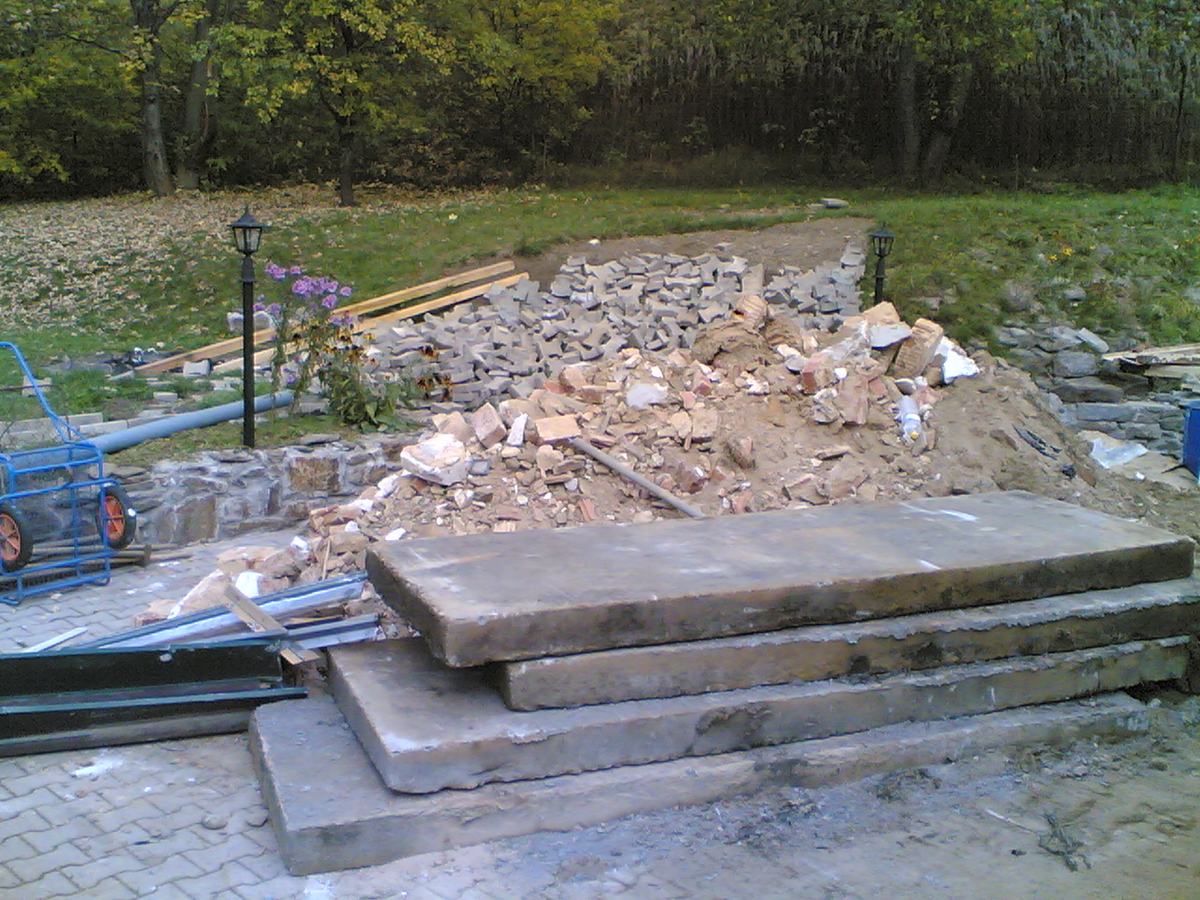
An engineer or builder decides which walls carry load. The crew follows that plan.
Have these ready before quotes
- The addressSo contractors can plan access, parking and a container.
- Photos of each roomPlus the ceilings, floors and any damage.
- A plan or sketchEven a hand-drawn one marking what comes out.
- The year builtOlder flooring, ceilings and pipe wrap raise the asbestos question.
- Flood detailsHow high the water rose and how long it sat, if this is a flood job.
- The insurer's scopeIf a claim covers the work.
- What staysCabinets, fixtures, flooring or walls you want to keep.
- Your builder's nameSo the demo crew and builder can agree on the structure.
Asbestos, structure and permits
Older materials
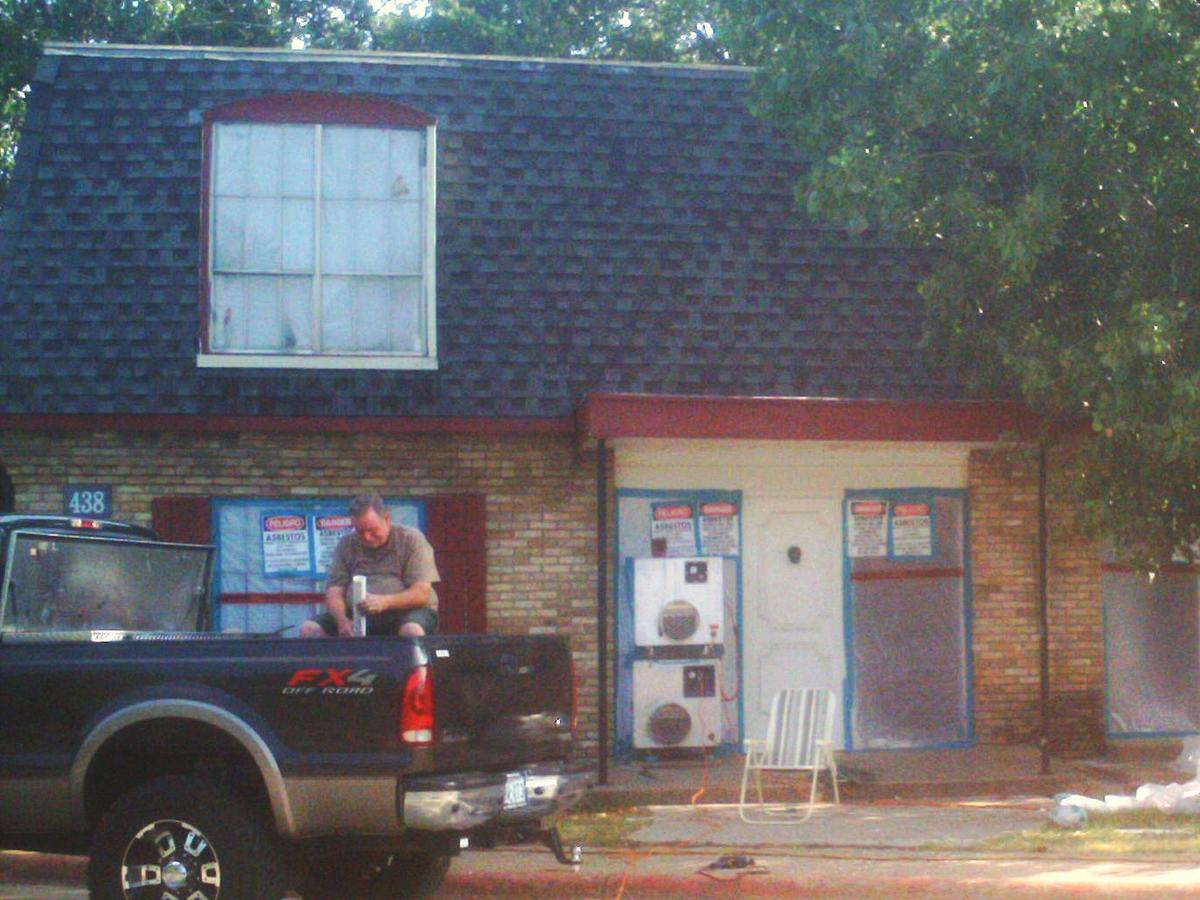
Asbestos can be in older flooring, ceilings and pipe wrap. Ask whether your job needs a survey or a DSHS notification. Renovation rules differ from demolition rules, so confirm with DSHS before work starts, and we are not stating thresholds here. DSHS asbestos notifications
Structural walls
Whether a wall holds up the roof or a floor is an engineer's or builder's call, not the demolition crew's. Get that decision in writing before the crew cuts into it.
City permits
Each city sets its own permit rules, and interior work can need one. In Port Arthur, ask the Building Inspections division and use the city's online permit portal; we could not confirm a published permit type or fee for this kind of job.
Mold
Demolition removes damaged material. It does not test for or treat mold, which is work for a remediation specialist.
Interior demolition questions
Can I live in the house during interior demolition?
Usually only if the work is limited to one room and dust and noise can be contained. A full gut-out is hard to live through, and a flooded house is rarely fit to occupy. Ask the contractor what they recommend.
Who removes the debris?
Ask each contractor. Some price the haul-off in the job, others leave the debris in a container you arrange. Compare quotes line by line so the totals mean the same thing.
What about mold after a flood?
Demolition crews remove damaged materials, but mold is a separate problem. If you see or smell mold, talk to a mold remediation specialist about testing and treatment before you rebuild.
Do I need an asbestos survey before an interior gut?
Ask whether your job needs a survey or a DSHS notification. Renovation rules differ from demolition rules, so confirm with DSHS before work starts, particularly in an older house.
Can you remove a load-bearing wall?
Not on a demolition crew's say-so. An engineer or builder decides which walls carry the roof or floor above, and the crew follows their plan. Say so in your request if you want a wall opened.
Ready to gut it?
Interior demolition is already picked. Tell us which rooms, what stays and when the builder starts.
We pass your request to independent local operators who quote you directly. It's free, and you're under no obligation to hire anyone.
Your details go only to the contractors we pass this job to. See our privacy page.