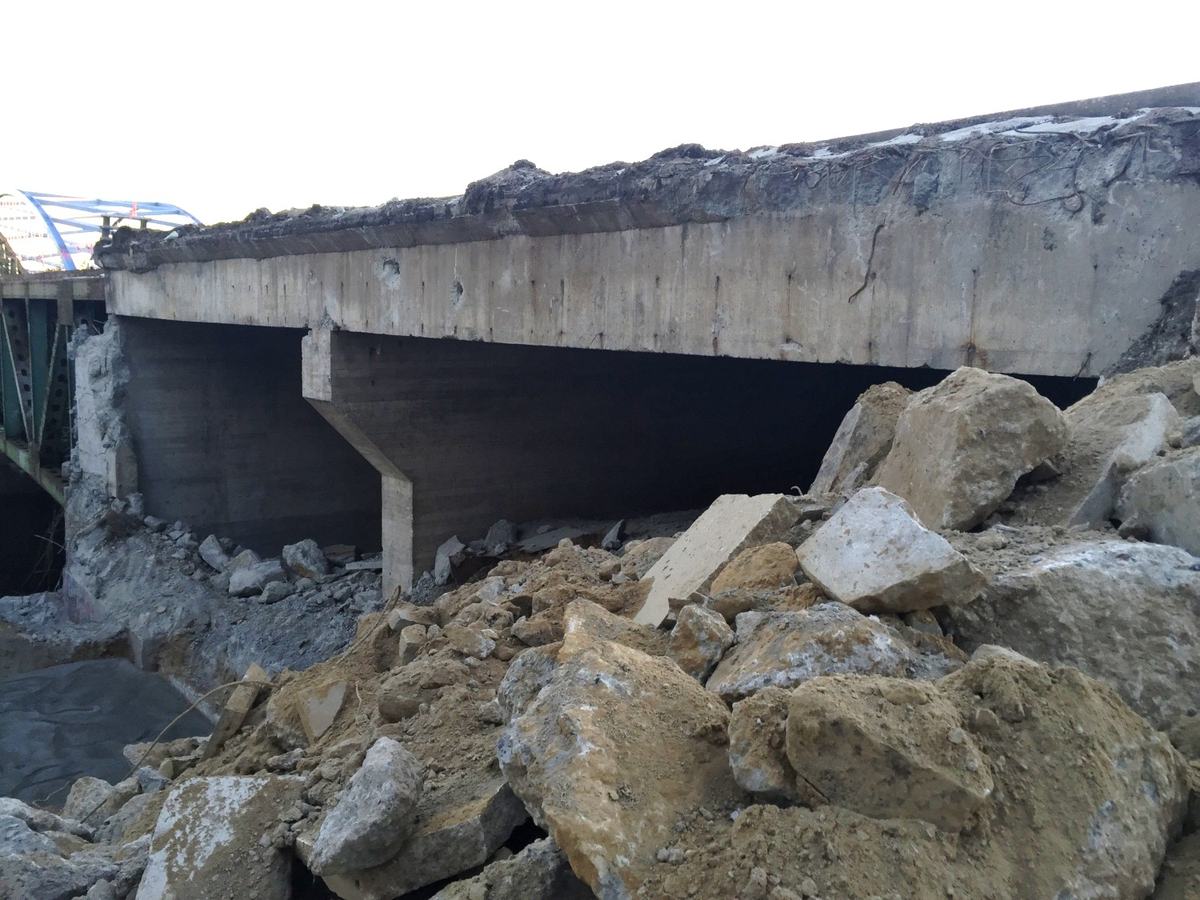
Commercial demolition in Port Arthur
Strip-outs and full removal of stores, offices, churches and warehouses, with the asbestos work done first. Send the address and local contractors quote you directly.
Strip-out, salvage, full removal
Commercial demolition in Jefferson County covers a range: a gutted retail unit, a church to be cleared for a new building, a warehouse taken down to the slab. The work usually follows this sequence, and the order matters because each step makes the next one safe.
- Survey and noticeAn asbestos survey, then the DSHS notice at least 10 working days before demolition starts.
- AbatementAnything the survey finds comes out before structural work begins.
- Soft stripCeilings, partitions, fixtures, wiring and anything with salvage value are removed by hand and small machines.
- UtilitiesPower, gas, water and sewer shut off and capped by the utilities.
- StructureHigh-reach or large excavators take down the frame and walls, sorting steel and concrete as they go.
- Haul, slab and gradeDebris leaves by truck, and the slab and footings come out if the contract includes them.
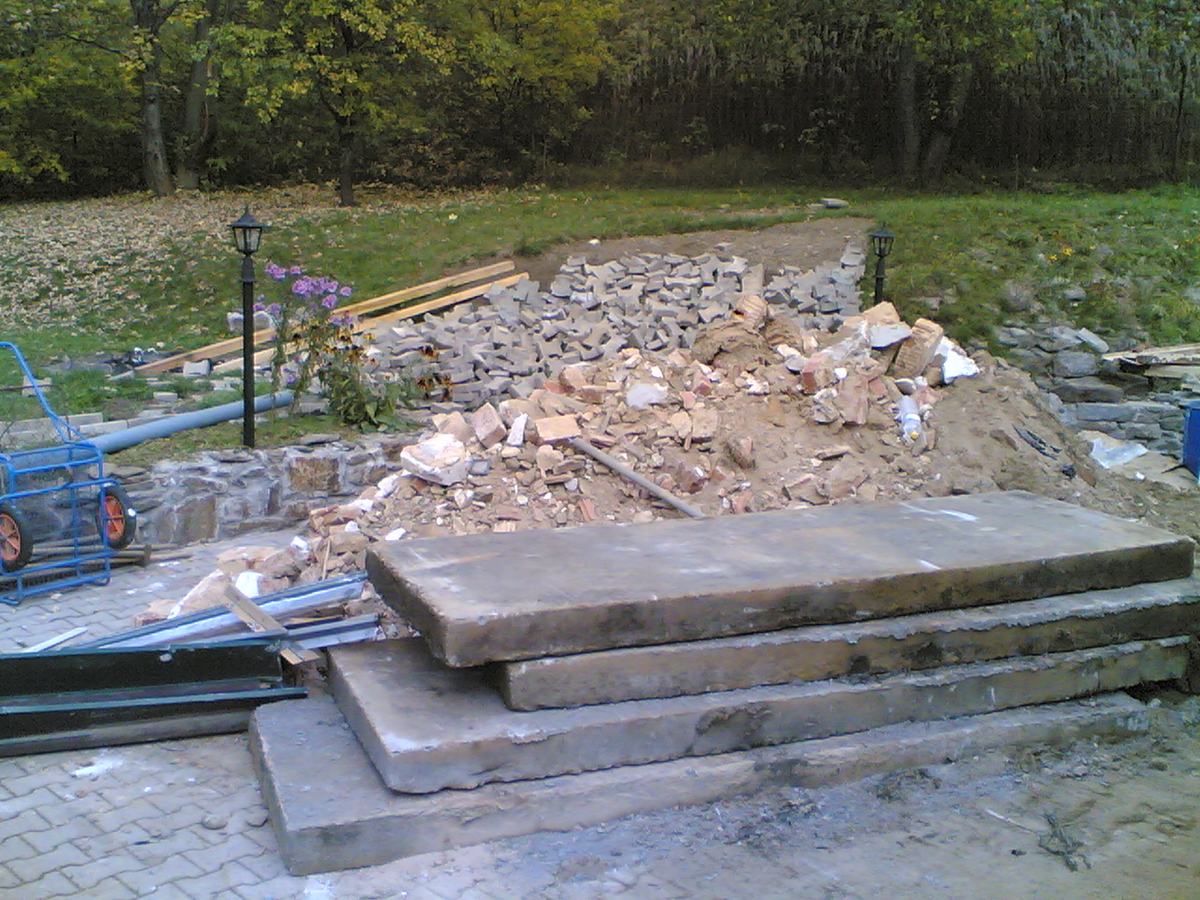
Equipment on a commercial job
Bigger buildings bring bigger machines. What shows up depends on height, construction and how close the neighbors are.
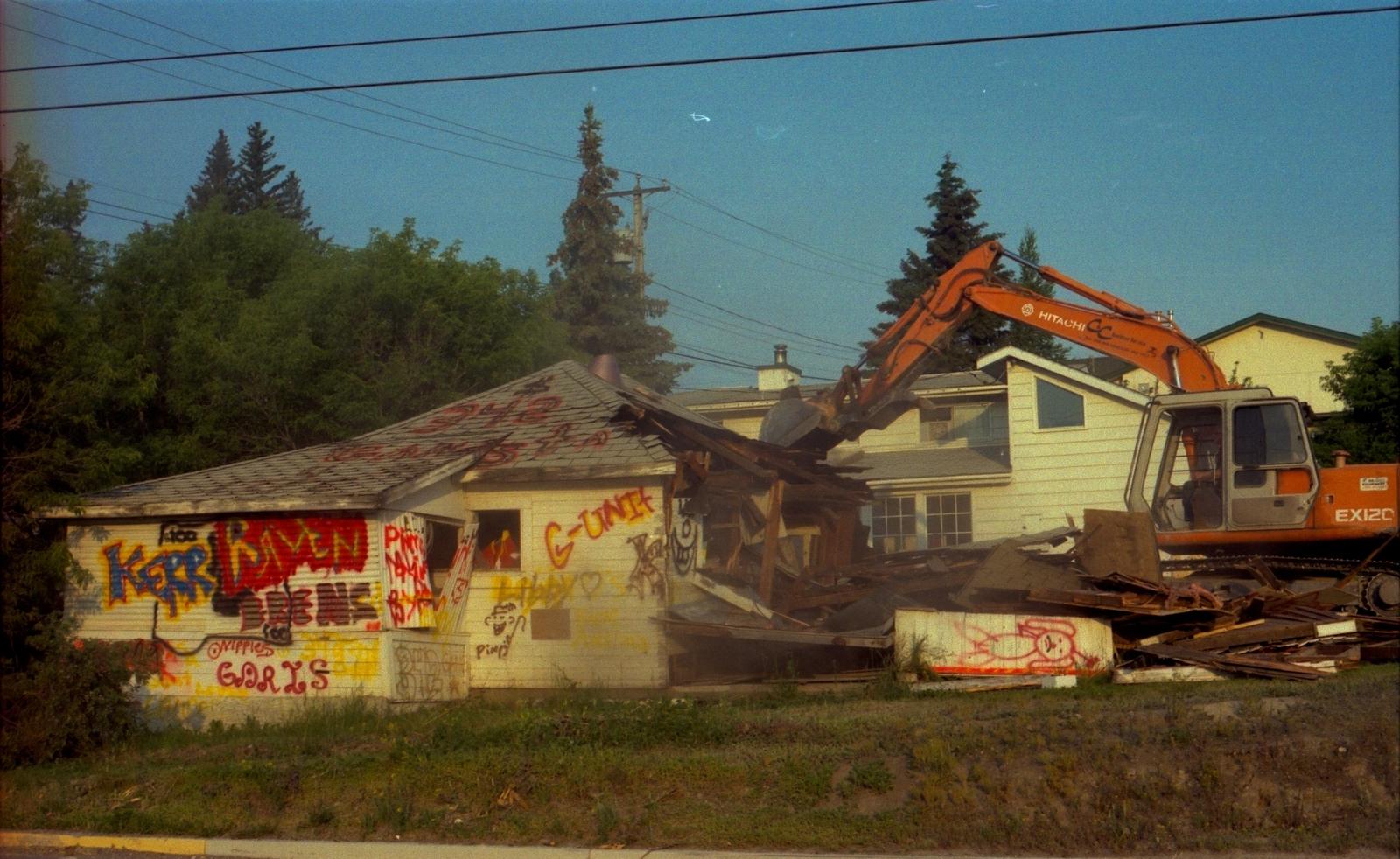
Large excavators
With shear or crusher attachments for steel and concrete frames, working from the ground and sorting as they load.
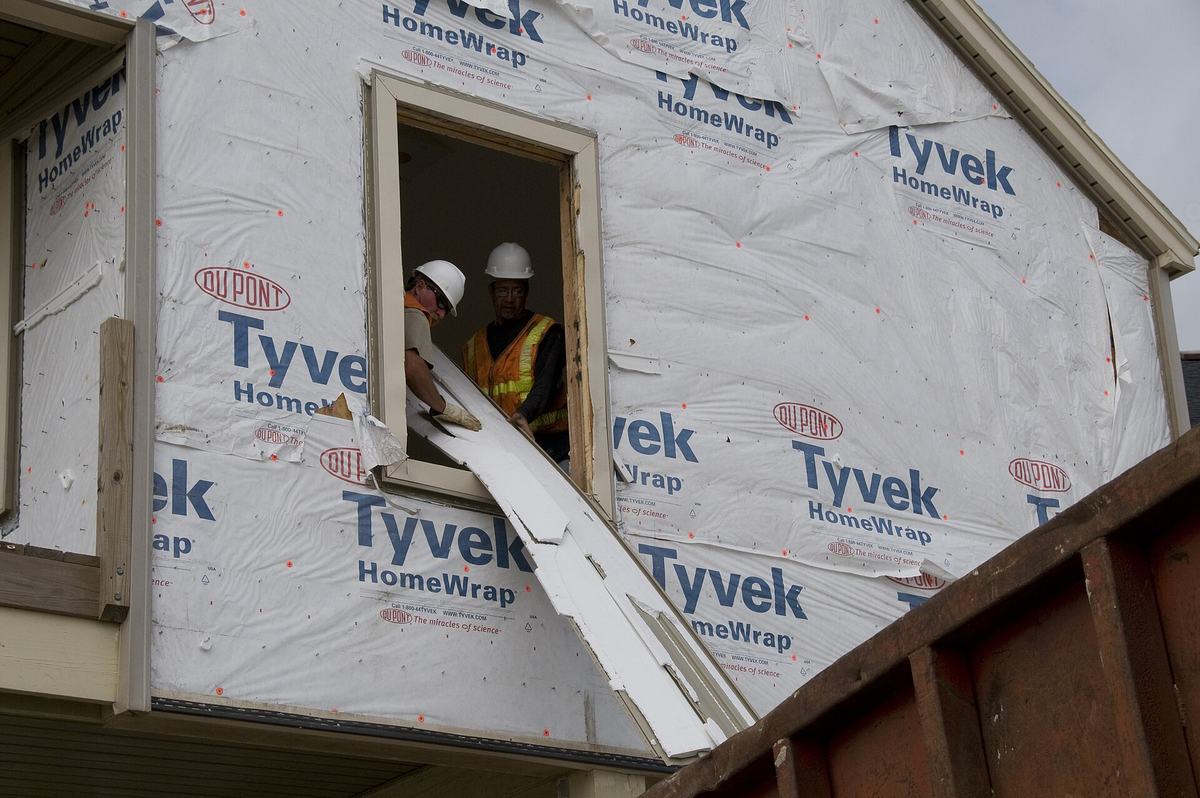
Hand crews and lifts
Do the soft strip, cut out services and take apart areas the machines cannot reach.
Who needs commercial demolition here
Redevelopment
Port Arthur has taken down downtown buildings before, including demolitions on Procter Street and of the old water plant (Port Arthur News) and a 2018 downtown project (Port Arthur News).
Property owners
Vacant stores, closed churches and warehouses that cost more to keep than to clear. Owners often demolish to sell the lot or to rebuild.
Landlords and developers
A strip-out to bare walls, or full removal before new construction. Say which one in your request.
Public owners
Cities and agencies buy demolition through formal bids. Beaumont and Port Arthur have both advertised demolition work.
Have these ready before quotes
- Address and parcel numberSo contractors can see the site and which city's rules apply.
- Building type and sizeSquare footage, number of stories and the main construction: steel, masonry, wood or tilt-wall.
- Year builtOr the best estimate. It drives the asbestos question.
- Any earlier asbestos surveyOr a renovation record that mentions it.
- Strip-out or full removalAnd whether the slab and footings come out.
- Neighbors and accessShared walls, narrow streets, loading docks and overhead lines.
- UtilitiesWhich are still connected, and who the account holder is.
- SalvageAnything you want to keep, and anything you are happy for the contractor to take.
- TimelineA closing date, a construction start or a lease end.
Notice, survey and permits
The DSHS notice
Texas DSHS must be notified at least 10 working days before any building is demolished, even when no asbestos is present. It is filed through the DSHS online notification system or on the mailed form, and fees are invoiced afterwards. DSHS asbestos notifications
Asbestos survey
Texas requires a DSHS-licensed asbestos inspector to survey public buildings before demolition. Confirm with DSHS how the requirement applies to your property.
City permits
Permits are issued by the city the building is in. In Port Arthur they run through the Building Inspections division and the city's online permit portal; we could not confirm a published demolition permit type or fee. Ask the city, and ask the contractor whether they pull the permit.
Count the ten days
Pick the day you want the machines on site. The notice to DSHS has to be in at least 10 working days before it.
Ten working days is two full work weeks: to start on a Monday, the notice has to be in by the Monday two weeks before.
Counts Monday to Friday. Confirm the date with DSHS or your contractor before you book the crew.
What commercial demolition costs
Bid-tracker summaries report awards of $277,695 and $286,200 for 13 commercial structures that included asbestos abatement, roughly $21,000 to $22,000 each. We have not verified those figures on the awards themselves, and a single building can cost far more or less.
What moves the price: size and construction type, what the survey finds, how much salvage there is, access and neighbors, haul distance, and whether the slab and footings are included. Ask each contractor to price the abatement, the demolition and the haul-off as separate lines.
Commercial demolition questions
Can a building next to an occupied neighbor be demolished?
Often yes, but the method changes. Shared walls, a tight lot and nearby traffic mean more hand work, shoring and sequencing, and the quote reflects it. Describe the neighbors and the street in your request.
Who disconnects the utilities to a commercial building?
The utility companies shut off and cap their own services, and commercial meters can take longer than residential ones. Ask each utility what it needs and how long it takes, then plan the start date around the slowest one.
What decides how long a commercial demolition takes?
The survey and DSHS notice come first, then any abatement, then the structure itself. Size, construction type, access and how much is being salvaged all matter. Ask for a schedule that shows each stage separately.
Does a commercial building need an asbestos survey?
Plan on it. Texas requires a DSHS-licensed asbestos inspector to survey public buildings before demolition, and DSHS must be notified at least 10 working days beforehand for any building. Confirm how the rules apply to your property with DSHS.
Can the contractor keep or sell the salvage?
That is a matter for your contract. Steel, copper and fixtures have scrap value, and some contractors credit it against the price. Ask each one whether salvage is included in the quote and who owns it.
Ready to bring it down?
Commercial demolition is already picked. Tell us about the building, the site and your schedule.
We pass your request to independent local operators who quote you directly. It's free, and you're under no obligation to hire anyone.
Your details go only to the contractors we pass this job to. See our privacy page.